 Advanced Search
 Map View
 About Us
 News
News
 Contact
 Bildirimde Bulun






 Login
Login

Data and Information System


Invasive Species Details
Common Myna, Indian Myna
| Kingdom | Phylum | Class | Order | Family | Genus and species |
|---|---|---|---|---|---|
| Animalia | Chordata | Aves | Passeriformes | Sturnidae | Acridotheres tristis |
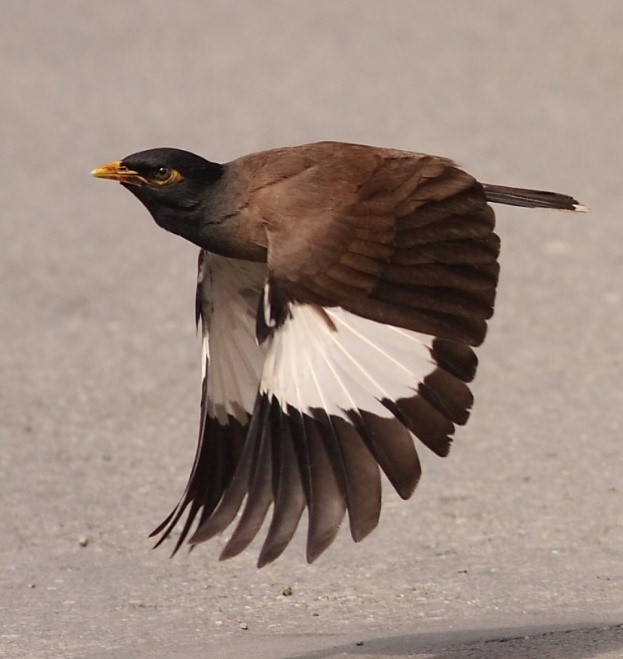
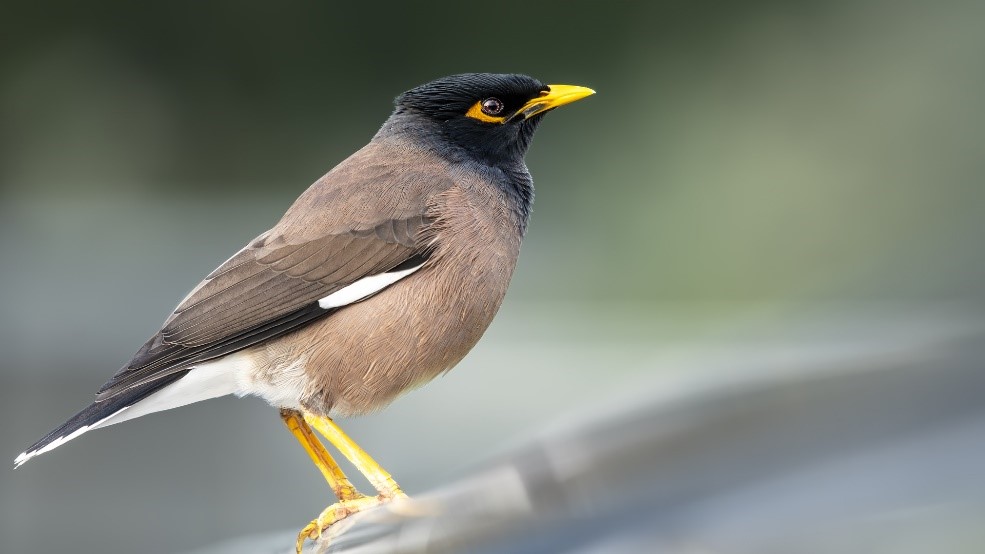
Common Myna, Indian Myna
"Acridotheres tristis tristis Acridotheres tristis melanosternus "
The Common Myna is found in a variety of habitats, from mountain tree lines to semi-deserts, sparsely wooded savannas to urban parks and gardens. It is generally found in places close to humans. It has been recorded at altitudes of 3000 meters in India and 1525 meters in Asia. It does not prefer dense forested areas. It is a species that is about 23-27 cm in size, with a wingspan of 33-36 cm, and weighs between 82-143 grams. It is larger compared to other myna species. In India, it is considered farmer-friendly as it eats agricultural pests. It has been introduced in warm and temperate tropical climates in terrestrial areas as part of pest control efforts (Case, 1996; Veltman et al., 1996; Feare and Craig, 1999). The Common Myna is naturally distributed in the Middle and South Asia, including India, Afghanistan, Turkistan, Bangladesh, Sri Lanka, and southern China (Feare and Craig, 1999). However, considering the areas it has invaded, it is distributed between the 400 North and 400 South latitudes. The species has been intentionally moved outside its natural range for trade and as part of biological control efforts. It is omnivorous, feeding mainly on fruits, grains, insects, and their larvae. It also feeds on food scraps, snacks from garbage dumps, bird eggs, small animals like frogs, lizards, crabs, and flower nectar (Ali and Ripley, 1972). The Common Myna has been intentionally introduced to many areas worldwide for biological control purposes. The majority of accidental introductions have occurred through escaped or released individuals from cage trade (Lever, 1987).
Type Description
"The Common Myna is a species that is about 23-27 cm in size, with a wingspan of 33-36 cm, and weighs between 82-143 grams. It is larger compared to other myna species. Its head, nape, throat, and neck are shiny black. The eye skin, beak, and legs are shiny yellow. The back, chest, and abdomen are chestnut brown. The primary coverts are dark brown, and the forearm coverts are chestnut. The tail coverts are black, with the tips and underside of the tail being light white. When flying, a broad wing panel created by the white on the lower part of the forearm feathers is visible. The underwing coverts are also white; they appear whiter than the upperwing. The iris is reddish-brown. In juveniles, the head is paler and matte black, the body is a paler brown, and the white at the tips of the tail coverts is less prominent (Kannan and James, 2020).
Males and females are similar, but males are slightly larger. This feature is not helpful in distinguishing them in the field. The average weight of males is 113-140 grams, and females are 98-129 grams. The wing length is 134-142 mm in males and 120-139 mm in females. The tarsus length is 42.3 mm in males and 40.5 mm in females (Counsilman et al., 1994)."
Habitat
"The Common Myna is found in a variety of habitats, from mountain tree lines to semi-deserts, sparse wooded steppes, and even in urban parks and gardens. It is generally found in places close to humans. It has been recorded at altitudes of up to 3000 meters in India and 1525 meters in Asia, but it does not prefer dense forested areas (Feare and Craig, 1999).
Introduced populations are found in coastal areas, agricultural lands, forest edges, gardens, meadows, and coastal mangroves. Despite its wide habitat preference range, it prefers to be near water.
The Common Myna is naturally distributed in Central and South Asia, including India, Afghanistan, Turkistan, Bangladesh, Sri Lanka, and southern China (Feare and Craig, 1999). However, considering the areas it has invaded, it is distributed between 400 North and 400 South latitudes. It was first recorded breeding in Ankara, Turkey. Although there are no breeding populations in Ankara today, the species has expanded its breeding range to Istanbul, Izmir, and Bursa. Additionally, records of the species exist in Antalya, Mersin, Samsun, Sanliurfa, and Rize. It is known that their numbers are increasing in Istanbul and they are spreading to more areas."
Reproductive Information
The Common Myna is monogamous, with pairs remaining together annually. In India, pairs come together in early February, and then territories are established. In New Zealand, the first territory observations begin in October. Nest building begins during the most intense rainy period and the low temperatures of December and January (Telecky, 1989). There is a highly variable breeding schedule depending on the geographical region. They lay eggs from early March to the end of June. Hatching of the young occurs in April and May. Most young leave the nest in August. The clutch size is approximately 3 eggs. Both sexes incubate the eggs. The female is generally on the nest at night, and the male during the day. The incubation period is approximately 13 days. The chicks are dependent on parental care when they hatch. Both parents participate in caring for the young. The chicks weigh around 5 grams when they hatch. Parental care continues for about 3 weeks, after which the young leave the nest (Councilman, 1974; Dhanda and Dhindsa, 1996).
Lifecycle
They are not migratory. Breeding occurs in New Zealand between October and August, in Hawaii between March and September, and in India between December and April. Adults molt between July and December, while juveniles molt between October and December.
Nutrition Information
"They are omnivorous, primarily feeding on fruits, grains, insects, and larvae. They also feed on food scraps, snacks from garbage dumps, bird eggs, frogs, lizards, crabs, and flower nectar. They feed on the ground and in trees, rarely catching flying insects. When on the ground, they use their beaks to search for and pick up invertebrates. Their skull structure and tongue muscle adaptation are well-suited for ground feeding. They walk and pause intermittently to search for food. They sometimes take to the trees to feed on fruits or search for insects. They are known to follow large grazing animals like zebras, impalas, and goats, picking up insects disturbed by them.
Plant-based diet: Ficus, Azadirachta indica, Phoenix sylvestris, Zizyphus, Lantana, Morus, Santalum, Malus, Pyrus, Fragaria, Vitis, Psidium, Mangifera, Artocarpus, Carica, Lycopersicon. Triticum aestivum Oryza sativa, Pisum sativum, Arachis hypogea, Cicer arietinum, Zea mays, Coriandrum sativum, Phaseolus mungo. Eucalyptus, Erythrina, Salmalia, Pyrus communis, Gliricidia
Animal-based diet: Mainly insects such as Coleoptera, Orthoptera, Lepidoptera, Diptera, Hymenoptera, Isoptera, Hemiptera. Oligochaeta, Polychaeta, Gastropoda, Decapoda, Amphipoda, Arachnida, Chilopoda, Diplopoda."
General Impact Information
"Acridotheres tristis is considered to have both positive and negative effects on biodiversity. Its positive effects include contributions to the pollination of flowers, especially trees, and the dispersal of seeds of native plants. Its negative effects stem from its dominance and competition with native species. It competes with some endangered bird species for nesting sites and food, consumes bird eggs and chicks, plays a role in the distribution of invasive alien plant species, and contributes to the spread of pathogens.
A study in Australia found that Acridotheres tristis competes with and displaces two parrot species (Platycircus elegans and P. exeminus) by occupying their nesting hollows. Acridotheres tristis is listed as one of the worst 100 invasive species by the IUCN. In a study conducted in the small islands of New Zealand, it was found that habitats where Mynas were captured and removed showed significant increases in populations of endemic and introduced species. Species such as Prosthemadera novaeseelandii, Gerygone igata, and Turdus merula showed increased populations.
In a study in Seychelles, it was expected that the placement of the endemic species Acrocephalus sechellensis in areas where Mynas were present would help control the Myna population. Before the eradication, it was observed that nearly 25% of the captured native species had head injuries. After the eradication, it was found that the species that were negatively affected were healthier, produced more offspring, and their numbers increased. The population of the white tern (Gygis alba) also showed a significant increase, and after the Mynas were removed, they were found to nest in areas with lower vegetation.
Habitat effects: Due to their frugivorous diet, Mynas are known to be effective in pollinating and distributing seeds of many plant species, providing an incredible ecosystem service in their native regions. On the other hand, it is emphasized that they cause more harm than benefit because some plant species they are effective in distributing are invasive species whose distribution is not desired (Ashmole and Ashmole, 2008).
Social effects: Mynas gather in large groups of up to 5,000 individuals and are particularly noisy at sunrise and sunset throughout the year. Their droppings are also disturbing. In places like Singapore, it has been noted that they pose a problem in public spaces due to these reasons (Yap et al., 2002). They also pose a public problem because they nest in pipe mouths and sewer openings. They are considered problematic for hygiene as they steal food from people's plates in restaurants and other open spaces. They also steal food from people's homes and gardens.
Mynas carry Ornithonyssus bursa and Dermanyssus gallinae mite species that can affect human health. These mite species cause dermatitis, asthma, redness, and other effects in humans. Their droppings can cause salmonella and conjunctivitis infections. Additionally, they carry arboviruses that can be transmitted to humans through various arthropods. They are also known to carry avian malaria (Stoner, 1923; Massam, 2001).
Risk and impact factors of Mynas
Invasiveness: a- It has been found to be invasive in areas where it is not naturally found, b- it benefits from human communities.
Impact consequences: a- It negatively affects agriculture, b- it negatively affects human health, c- it negatively affects animal health, d- it reduces local biodiversity, e- it threatens/endangers species or causes their loss, f- it threatens/endangers native species or causes their loss.
Impact mechanisms: a- It causes allergic reactions, b- competition - monopolization of resources, c- transmission of pests and diseases, d- pollution, e- predation."
General Management Information
"Preventive measures: Australia has classified the Myna as a species of highest risk. In Queensland, the species is considered ""extremely"" dangerous and is banned in Australia (Massam, 2001; Markula et al., 2009).
Physical control: Capturing Mynas with feeding traps is quite effective in removing them. The Tindall Trap and Tidemann Trap have been successfully used in New Zealand (Tiedemann, 2007).
Integrated pest management: Modifying habitats, limiting resources, and educating the public can help control and manage the species. Due to the Myna's wide range of food preferences, success cannot be achieved solely by limiting food sources (Lim et al., 2003)."
General Pathway Information
The reason for the species' spread beyond its natural range is its trade and intentional transport for biological control purposes. The first records of the presence of Acridotheres tristis in Turkey were provided by Sperl (1992). Sperl (1992) indicated that the species was found on the Eastern Black Sea coast, but this record was not accepted because he could not provide any supporting evidence. The first evidence-based observation came on May 12, 1996, from the METU Ankara campus (Bilgin, 1996). The species bred there until the year 2000 (Kirwan et al., 2003). The first record from Istanbul Ömerli came on June 21, 1997, with 2 individuals. However, apart from that year, there were no other observations until 2004. In 2004, initially recorded as 7 individuals in Kartal, the Mynas have multiplied and spread to Istanbul. In Izmir, they were first recorded on January 18, 2014, with 8 individuals, and have been breeding there since then. In Bursa, the first pair was recorded in the nest in 2016, and they continue to breed. There is currently no population breeding in Ankara, but the species has expanded its breeding area to Istanbul, Izmir, and Bursa. The Myna is one of the birds commonly traded in the cage trade. It is not covered by CITES. They are sold in pet shops and online in Istanbul and other major cities. Generally, this species, brought in by illegal means and kept, has been able to form natural populations in the wild as a result of intentional or accidental release.
Notes
Due to its rapid adaptability, competitive strength, and highly diverse food preferences, it can easily adapt to new areas and rapidly multiply. It is listed among the worst 100 invasive species in the world. First reported from Istanbul and Ankara in 1992, this species has also started breeding in Izmir and Bursa in the last 3 years and continues to spread rapidly and increase in number.
References
LOCATIONS
Seas or cities with distribution records for Common Myna, Indian Myna
IMPACT INFORMATION
"Biyoçeşitliliğe etkileri: Acridotheres tristis’in biyoçeşitliliğe hem olumlu hem de olumsuz etkilerinin olduğu düşünülmektedir. Pozitif etkileri, çiçeklerin, özellikle de ağaçların döllenmesine olan katkılarıdır. Yerli bitkilerin tohumlarının dağıtımında rol oynar. Negatif etkileri ise Acridotheres tristis’in yerli türler üzerindeki hakimiyeti ve rekabetinden kaynaklandığı ifade edilir. Özellikle nesli tehlike altında olan bazı kuş türleri ile yuva yeri ve besin için rekabete girer, kuş yumurtalarını ve yavrularını yer, istilacı yabancı bitki türlerinin dağılımında rol oynar ve patojenlerin yayılmasında etkilidir (Feare ve Craig, 1999).
Avustralya’da gerçekleştirilen bir çalışmada Acridotheres tristis’in iki papağan türü (Platycircus elegans ve P. exeminus) ile rekabet ettiği ve onların yuva oyuklarını işgal ederek papağanları yuvadan uzaklaştırdığı tespit edilmiştir (Pell ve Tidemann, 1997). Acridotheres tristis, IUCN tarafından en kötü 100 istilacı tür arasında listelenmiştir. Tindall vd. (2007) Yeni Zelanda’nın küçük adalarında gerçekleştirdikleri bir çalışmada, Çiğdecilerin yakalanıp uzaklaştırdığı habitatlarda, endemik türlerin ve yabancı türlerin nüfusunda belirgin artışlar olduğunu göstermiştir. Prosthemadera novaeseelandii, Gerygone igata yerli türleri ile Turdus merula yerleştirilmiş türlerinin nüfusunda artış gözlenmiştir.
Seyşeller’de gerçekleştirilen bir çalışmada, Çiğdecilerin bulunduğu alana endemik Acrocephalus sechellensis türü yerleştirilerek Çiğdeci nüfusunu kontrol etmesi beklenmiştir. Eradikasyondan önce yakalanan bazı yerli türlerin neredeyse %25’inde kafa yaralanmaları olduğu gözlenmiştir. Çiğdecilerin eradikasyonu sonucunda sayılarının azalmasıyla birlikte olumsuz etki altında olan türlerin daha sağlıklı olduğu, yuvadan daha çok yavru uçurdukları ve sayılarının arttığı tespit edilmiştir. Gygis alba türü sumrunun da sayısında belirgin artış olduğu ve Çiğdeciler alandan uzaklaştırıldıktan sonra daha alçak bitkilerin olduğu yerlerde de yuva yaptıkları tespit edilmiştir (Feare, 2010).
Habitata etkileri: Çiğdecilerin meyvecil beslenmeleri nedeniyle birçok bitki türünün döllenmesinde ve dağıtımında etkili oldukları ve yerli oldukları bölgelerde inanılmaz bir ekosistem servisi sundukları bilinmektedir. Diğer taraftan dağılımında etkili oldukları bazı bitki türlerinin, dağılmasının istenmediği istilacı türler olduğu bilindiğinden faydadan çok zarara neden oldukları da vurgulanmaktadır (Ashmole ve Ashmole, 2008).
Sosyal etkileri: Çiğdeciler 5.000 bireye varan büyük gruplar halinde toplanırlar. Bütün yıl boyunca özellikle gün doğumu ve gün batımı zamanlarında oldukça gürültücüdürler. Bunun yanı sıra dışkıları da rahatsız edicidir. Singapur gibi bazı yerlerde bu nedenle kamusal alanlara sorun teşkil ettikleri belirtilmiştir (Yap vd., 2002). Boru ağızlarına ve su gider yerlerine yuva yaptığı için de kamu sorunu oluşturmaktadır. Restoranlar ve diğer açık alanlarda insanların tabaklarından yemek çaldıkları için hijyen bakımından problemli olarak değerlendirilirler. Ayrıca insanların evlerinden ve bahçelerinden yemek de çalmaktadırlar.
Çiğdeciler, insanlara bulaşabilen Ornithonyssus bursa ve Dermanyssus gallinae bit türlerini taşımakta ve bu nedenle insan sağlığını etkileyebilmektedir. Bu bit türleri insanda dermatit, astım, kızarıklık gibi etkilere neden olmaktadır. Dışkıları salmonella ve göz nezlesi enfeksiyonuna sebep olabilmektedir. Bunun yanı sıra çeşitli eklembacaklılarla insanlara aktarılabilecek arbovirüsleri bulundururlar. Ayrıca kanatlı sıtması taşıdıkları da bilinmektedir (Stoner, 1923; Massam, 2001).
Çiğdecinin risk ve etki faktörleri
İstilacılık: a- Doğal olarak bulunmadığı alanlarda istilacı olduğu tespit edilmiştir, b- insan topluluklarından faydalanmaktadır.
Etki sonuçları: a- Tarımı olumsuz etkiler, b- insan sağlığını olumsuz etkiler, c-hayvan sağlığını olumsuz etkiler, d- yerel biyoçeşitliliği azaltır, e-tehlike altındaki türleri tehdit eder/ kaybına neden olur, f-yerli türleri tehdit eder/ kaybına neden olur.
Etki mekanizmaları: a- alerjik reaksiyonlara neden olur, b- rekabet – kaynakları tekelleştirme, c- zararlı ve hastalık bulaşması, d- kirlenme, e- predasyon.
"
MANAGEMENT INFORMATION
"Preventive measures: Australia has classified the Myna as a species of highest risk. In Queensland, the species is considered ""extremely"" dangerous and is banned in Australia (Massam, 2001; Markula et al., 2009).
Physical control: Capturing Mynas with feeding traps is quite effective in removing them. The Tindall Trap and Tidemann Trap have been successfully used in New Zealand (Tiedemann, 2007).
Integrated pest management: Modifying habitats, limiting resources, and educating the public can help control and manage the species. Due to the Myna's wide range of food preferences, success cannot be achieved solely by limiting food sources (Lim et al., 2003)."