 Advanced Search
 Map View
 About Us
 News
News
 Contact
 Bildirimde Bulun






 Login
Login

Data and Information System


Invasive Species Details
Raccoon Dog
| Kingdom | Phylum | Class | Order | Family | Genus and species |
|---|---|---|---|---|---|
| Animalia | Chordata | Mammalia | Carnivora | Canidae | Nyctereutes procyonoised |
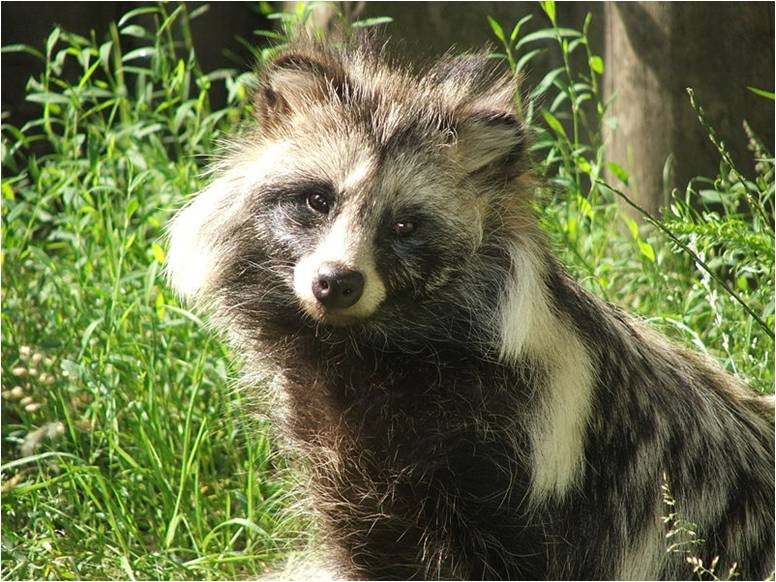
Raccoon Dog
-
Nyctereutes procyonoides resembles a small fox-like canid with fur similar to raccoons (Procyon lotor). It is found in subarctic and subtropical climates. It prefers dense cover such as forests, forest edges, or dense vegetation - thickets, marshes, and reed beds. Areas surrounding water are also preferred. Raccoon dogs can also be found at elevations above 3,000 m. It is known that Nyctereutes procyonoides approaches human habitats while searching for food. It is an opportunistic omnivore, preying on insects, small rodents, amphibians, birds, and eggs. In Turkey (Sarıkamış), it has been recorded for the first time with camera trap images. It is estimated to have entered Turkey through Georgia and the Caucasus, where its distribution was previously recorded. The first and only recorded location was the Sarıkamış forests in Kars Province. More information about the Turkish population is obtained from the Biological Diversity research conducted by the Ministry of Agriculture and Forestry throughout Turkey.
Type Description
"Nyctereutes procyonoides resembles a small fox-like canid with fur similar to raccoons (Procyon lotor). They have pointed, low-profile rostral small heads (maximum length 133 mm). The dental formula is i 3/3, c 1/1, p 4/4, m2 or 3/3, totaling 42 or 44 teeth. Raccoon dogs have reduced carnassial and relatively large molar teeth. They vary in height from 38.1 to 50.8 cm. The length from head to tail base ranges from 50 to 68 cm, with a tail length of 13 to 25 cm. Their legs are short, and their bodies are generally stout. Body weight ranges from 4 to 6 kg in summer and from 6 to 10 kg before winter hibernation. On average, individuals in Europe tend to be larger than those in China and Japan. The presence of several subspecies of N. procyonoides may explain this inconsistency. Adult females in China and Japan have a mass 0.5 kg greater than males (Sheldon, 1992; Ward and Wurster-Hill, 1990; Sheldon, 1992; Ward and Wurster-Hill, 1990).
The fur of N. procyonoides is dense and soft. In the head region, there is white fur around the mouth, a white face, and black fur surrounding the eyes. Black fur forms a cross pattern, passing both over the shoulders and beneath the back. The ears are round and short, with a black tuft of hair straightening the white fur inside the ears. The body color dorsally ranges from dark brown to yellow-brown, but it varies significantly. Long protective hairs along the back are black-tipped. The fur on the abdomen is lighter brown or tan. Limbs and chest are blackish-brown. Raccoon dogs have thick, bushy tails that are black dorsally and black-tipped light yellow ventrally. The winter coat is thicker and darker than the summer coat (Sheldon, 1992; Ward and Wurster-Hill, 1990).
Nyctereutes procyonoides molts between July and October during the summer months. The winter coat extends from September to November. Raccoon dogs undergo a spring molt starting in April, with the summer coat developing by mid-June (Ward and Wurster-Hill, 1990)."
Habitat
"Nyctereutes procyonoides, found in subarctic and subtropical climates. They prefer dense cover such as forests, forest edges, or dense vegetation - thickets, marshes, and reed beds. They also favor areas surrounding water. Raccoon dogs can also be found above 3,000 m above sea level. It is known that Nyctereutes procyonoides approaches human habitats while searching for food (Sheldon, 1992; Ward and Wurster-Hill, 1989; Ward and Wurster-Hill, 1990).
Nyctereutes procyonoides is native to Eastern Siberia, Northern China, Northern Vietnam, Korea, and Japan. Between 1927 and 1957, the fur farming industry brought 4,000 to 9,000 raccoon dogs to Europe and the Asian USSR. Today, N. procyonoides is widespread in Europe, including countries like Finland, Sweden, Norway, Poland, Romania, the Czech Republic, and Slovakia, as well as Western countries such as Germany, France, Austria, and Hungary (Sheldon, 1992; Ward and Wurster-Hill, 1990).
It was first recorded in Turkey (Sarıkamış) with camera trap images (Naderi et al., 2020). It is estimated to have entered Turkey through Georgia and the Caucasus, where its distribution had previously been recorded. The first and only recorded location was the Sarıkamış forests in Kars Province. Further information about the population in Turkey was obtained from the Biological Diversity studies conducted by the Ministry of Agriculture and Forestry across Turkey.
During camera trap studies conducted in the Allahuekber Mountains (Sarıkamış, Kars), recording was done for 4,668 nights, and raccoon dogs were detected only twice in May and June 2019. The nearest raccoon dog population was recorded in Georgia, approximately 105 km away (Naderi et al., 2020).
Considering the findings of the study, it can be assumed that the detected individual expanded its range for feeding or finding a mate. The detection of the same individual in the same locality for two consecutive months suggests that the individual may be residing there or in a nearby area.
Initially, raccoon dogs were introduced from their natural range to the former Soviet Union and Europe by humans for the fur farming industry. This was a large-scale intentional introduction (Nowak and Pielowski, 1964). In some regions, such as Hungary, certain populations were likely established from animals escaping fur farms or captivity (Heltai et al., 2000).
Individuals living outside their natural range have later spread spontaneously for feeding purposes. Nyctereutes procyonoides is an opportunistic omnivore. On land, it preys on insects, small rodents, amphibians, birds, and eggs. Additionally, it catches fish in lakes, rivers, and streams using its claws to pull prey out of the water and can also dive underwater to search for food. Raccoon dogs also consume mollusks, snakes, and lizards; crustaceans, sea urchins, and marine carrion are also consumed along the coast.
From 1935 to 1984, N. procyonoides spread across Europe through secondary expansion, covering an area of 1.4 million km2 (Nowak, 1984). This expansion is a result of its significant adaptability, including various climatic and environmental conditions, ability to hibernate in winter, high reproductive capacity, high migratory ability, and limited control and thus effective gene flow among populations (Pitra et al., 2010). Most juveniles disperse at 4-5 months old (August-October). The average dispersal distance exceeds 20 km in areas with high population density (Kauhala and Helle, 1994). It has been reported to travel over 700 km in search of a mate (Erik Lund, personal communication)."
Reproductive Information
"Not much is known about the mating behavior of N. procyonoides. Research indicates that raccoon dogs form mating pairs from year to year, and monogamy between pairs has been reported in raccoon dogs in Finland. In areas where home ranges overlap, pairs do not interact. Polygyny has been reported in captive individuals (Kauhala et al., 1993; Sheldon, 1992).
During mating, females are accompanied by 3 to 4 males. There is little fighting among males for mates. In captivity, both scent marking and male-female interactions increase during proestrus. Pair bonds form before mating and remain until the young become independent. A tail posture in males, in the shape of an inverted U, is associated with sexual arousal and indicates dominance. After mating and giving birth, males and females spend significant amounts of time together raising the young (Ward and Wurster-Hill, 1990).
Females come into estrus once a year after hibernation. Data from raccoon dogs in captivity indicate that estrus lasts for 3 to 5 days. Mating occurs at the end of the cold part of winter, depending on the geographic location, in January, February, or March. Mating bonds last an average of 6 minutes. The gestation period varies between 59 and 64 days. Nyctereutes procyonoides typically gives birth in dense vegetation or in burrows abandoned by foxes or badgers. The average litter size is between 5 and 7 grams, with a maximum of 19 reported offspring. The young are born blind and have soft, black fur. Weight at birth ranges from 60 to 115 g depending on the subspecies. Their eyes open between days 9 and 10, and their teeth become visible between days 14 and 16. Mothers wean their young at 30 to 40 days. Once weaned, typical facial masks and guard hairs are fully developed. Mass and size increase linearly up to 50 to 60 days. By 80 to 85 days, the young are as small as small adults. They reach sexual maturity between 9 and 11 months (Sheldon, 1992; Ward and Wurster-Hill, 1990).
Towards the end of pregnancy, a female's mate brings her food. The male also plays a role in postpartum care after the female gives birth. Young are weaned between 30 and 40 days; while the female hunts for food, the male typically watches over them. As young as 4 months old, they begin to learn how to hunt by observing their parents. They can remain with their parents until they are able to support themselves and hunt as a family until autumn. At this point, they become independent. They reach sexual maturity between 9 and 11 months (Sheldon, 1992; Ward and Wurster-Hill, 1990)."
Lifecycle
The lifespan of N. procyonoides in the wild is unknown. In a study conducted on animals in captivity, it was reported that the oldest males were 5.5 years old and the oldest females were 7.5 years old. Of the 320 captured raccoon dogs, 68.4% of the population were younger adults. However, in captivity, their lifespan can exceed 14 years (Ward and Wurster-Hill, 1990).
Nutrition Information
"Nyctereutes procyonoides is an opportunistic omnivore. It hunts insects, small rodents, amphibians, birds, and eggs on land. Additionally, it catches fish in lakes, rivers, and streams using its claws to pull prey out of the water. It also dives underwater to search for food. Raccoon dogs also consume mollusks, snakes, and lizards; and at the seashore, they feed on crabs, sea urchins, and carrion (Colby, 1965; Sheldon, 1992).
Moreover, raccoon dogs also consume plant materials, including stems, roots, leaves, bulbs, fruits, nuts, and seeds, depending on the season and location. During the autumn season, they primarily consume various fruits, wild berries, and oats. In times when food sources are limited during winter, they can survive on human refuse and carrion. In Japan, raccoon dogs heavily rely on garbage, insects, fish, crabs, and plants such as buckthorn (Rhamnus), hornbeam (Carpinus), and Japanese laurel (Aucuba japonica) for sustenance. In Finland, they depend on small mammals (Mus musculus), plants, and amphibians during summers; while in winter, they rely on carrion, small mammals, and plants (Ward and Wurster-Hill, 1990)."
General Impact Information
"Raccoon dogs are also an important food source for large predators, as well as humans. They are also responsible for controlling insect and rodent populations, although they do not have a significant impact on any species due to their generalist nature. Nyctereutes procyonoides is prone to infections, including mange, rabies, piroplasmosis, and helminths (Ward and Wurster-Hill, 1990).
Ecosystem Impact: They disperse the seeds of the plants they consume, contributing to the spread of vegetation.
Little is known about N. procyonoides' anti-predator adaptations. Wolves, lynxes, foxes, martens, golden eagles, sea eagles, eagle owls, and domestic dogs are all predators of this species. Humans are also the largest predators of raccoon dogs in the former USSR and Finland. Raccoon dogs are used by humans for commercial trapping and fur farming. In Japan, raccoon dogs are also consumed by humans (Sheldon, 1992; Ward and Wurster-Hill, 1990).
Raccoon dogs are harmful to bird populations, especially in flood areas and coastal strips of estuaries, where they almost exclusively feed on eggs and chicks during the spring season. In Lithuania, they make up 15-20% of bird diets, 46% in flood areas of the Oka River, and 48.6% in the Voronezh Reserve. They are also detrimental to muskrat trading, destroying their nests and consuming their young. In Ukraine, raccoon dogs are harmful to kitchen gardens, melon cultivation, vineyards, and corn seedlings.
Humans and other animals, because they can carry diseases that can be transmitted to humans and other animals. They are also killed for preying on small game animals and other wildlife (Ward and Wurster-Hill, 1990). Coronaviruses
Raccoon dogs and masked palm civets were initially believed to be the natural reservoirs of the SARS Human Coronavirus. However, genetic analysis has since convinced most experts that bats are the natural hosts. Raccoon dogs were likely only temporary accidental hosts.
According to Christian Drosten, raccoon dogs, being raised in fur farming in China, are the most likely intermediate hosts for the transmission of SARS-CoV-1 and SARS-Cov-2 to humans.
Other viruses;
It is believed that the introduction of raccoon dogs to Europe also brought infected ticks carrying the Asian tick-borne encephalitis virus.
Cases of rabies-carrying raccoon dogs are known from the lower Volga, Voronezh, and Lithuania.
Canine distemper is observed in raccoon dogs living in the North Caucasus.
Bacteria;
In the Soviet states, captive raccoon dogs on farms were recorded to carry paratyphoid, anthrax, and tuberculosis.
Eukaryotes;
Massive outbreaks of piroplasmosis have been recorded in Ukraine and Tatarstan.
Worms;
Raccoon dogs carry eight species of trematodes, 17 species of nematodes, seven species of cestodes, and 32 different parasitic worms, especially including Echinococcus.
Arthropods;
Among ticks, Dermacentor pictus, Ixodes ricinus, I. persulcatus, I. crenulatus, and Acarus siro are found.
It is known to carry six species of fleas, including Chaetopsylla trichosa, C. globiceps, Paraceras melis, Ctenocephalides felis, C. canis, and Pulex irritans.
Although they may be infected with scabies, they do not pose a significant threat to their populations, as in foxes.
Positive Economic Importance for Humans:
Japan, Finland, and the former USSR benefit from the fur trade of N. procyonoides. Their fur is used for collars, cuffs, and fur coats. In Japan, people eat raccoon dogs and use their fur as bristles for calligraphy brushes. Bones have also been used medicinally and as aphrodisiacs (Sheldon, 1992; Ward and Wurster-Hill, 1990)."
General Management Information
"Preventive measures; N. procyonoides has been listed in the Recommendation No. 77 of the Convention on the Conservation of European Wildlife and Natural Habitats (1999) as a threat to biodiversity and alongside other invasive species that need to be eradicated.
Due to their elusive behavior, preventing the spread of raccoon dogs in Europe is nearly impossible. In some countries (e.g., Sweden), laws specify that foreign species like raccoon dogs should not be allowed in the country and can be hunted throughout the year. Similar rules apply in other countries (e.g., Denmark), particularly for species referred to as raccoon dogs. In Sweden, regulations for import (Law on Import of Live Animals, SFS 1994: 1830) and exemption from regulations in the Wildlife Act for breeding non-native animals in Norway require permits, which have not been granted for raccoon dogs yet (Erik Lund, personal communication). Keeping raccoon dogs in Denmark is legally prohibited (BEK no. 720 24/06/2011).
Eradication, control, and monitoring efforts; Nowadays, raccoon dogs are rarely hunted for their fur; instead, they are considered pests in Europe. In Denmark, Norway, Estonia, Latvia, and Lithuania, raccoon dogs can be hunted year-round without any protection during the breeding season. In Finland and Poland, raccoon dogs are protected during the breeding season (only females with cubs are protected in May-July in Finland). In Finland, the annual hunting quota varied between 98,000-172,000 from 1998 to 2009 (Kauhala and Saeki, 2004a, Finnish Game and Fisheries Research Institute, 2010), 20,000 in Germany (S. Schwarz, personal communication), 6,000-10,000 in Poland (data from the Polish Hunting Association Research Station in Czempiń), 4,000-5,000 in Estonia, 3,500-4,000 in Lithuania (L. Baltrūnaitė, personal communication), and 2,000 in Latvia. In other countries, raccoon dogs are occasionally hunted.
Many countries, including Denmark, Finland, Norway, and Sweden, have an action or management plan against N. procyonoides. In Norway, the main objective of the action plan is to prevent the species from establishing in Norway (Erik Lund, personal communication). Similar objectives are included in action plans for other countries. In Finland, raccoon dogs are already established, so the management plan includes goals to prevent further spread or control population size. In Finland, capturing raccoon dogs from the wild to bring to fur farms is also prohibited due to the risk of rabies (Kaarina Kauhala, personal communication). Locally, intensive trapping with box and wire traps and hunting with dogs can be methods for raccoon dog eradication. However, eradication is difficult because, like other canids, raccoon dogs tend to increase litter size under high hunting pressure.
In Northern European countries (MIRDINEC, LIFE09 NAT/SE/000344), a joint EU LIFE Biodiversity project was conducted from September 2010 to August 2013 in Sweden, Finland, and Denmark, with Norway as a common financier for the management of the invasive raccoon dog (Nyctereutes procyonoides). The overall aim of the project was to prevent the establishment of wild, free-living, and viable raccoon dog populations in Sweden and Denmark and to prevent further increase and spread of the species in Finland. During the project, a series of different actions and methods were planned and implemented. One activity was carried out by an early warning system (EWS) to monitor changes in the population. The EWS consists of a set of game cameras distributed in scattered areas. Game cameras are effectively used in the process of verifying reported observations. Another activity is based on the social behaviors of raccoon dogs and their strong instinct for mate searching. By tagging raccoon dogs with GPS and VHF transmitters and then tracking the animals, hunters can be directed to other individuals. Tagged individuals were sterilized before release to prevent further breeding. The method using tagged animals called ""Judas animals"" has been found to be highly effective. Hunting with dogs and traps of different kinds is used for both euthanasia of animals and for tagging.
Education and information for hunters, local communities, and others was one of the main activities of the project, both to share information about raccoon dogs and to encourage people to report their observations of animals. Volunteer hunters observed animals, set traps, provided guidance, captured animals, e.g., traps and artificial shelters, and more. During the project, many observations were recorded, and animals were trapped and euthanized. The species has not been eradicated from project areas so far, but through the project, the goal of having no confirmed raccoon dog observations in new areas compared to before the start of the LIFE+ project has been achieved.
The success of N. procyonoides is partly due to its great adaptability, high reproductive rate, tolerance to human presence, and opportunistic foraging behavior. Nyctos means ""night,"" and ereuna means ""search."" Prokyon means ""before the dog,"" and eidos means ""form."" The species is not closely related to other members of Canidae. It has an unusual feature of supernumerary chromosomes and shares homologous chromosomes with members of Felidae. For these reasons, the taxonomic position of N. procyonoides is not clear. Taxonomists recognize five to six subspecies of N. procyonoides (Sheldon, 1992; Ward and Wurster-Hill, 1990).
Wolves are the main predators of raccoon dogs and kill many dogs in spring and summer, but attacks have also been reported in autumn. In Tatarstan, wolf hunting accounts for 55.6% of raccoon dog deaths, while in northwest Russia, this figure is 64%. Red foxes kill raccoon dog cubs and are known to bite adults to death.
Both foxes and Eurasian badgers compete with raccoon dogs for food, and it is known that raccoon dogs kill them if they enter their dens. Eurasian lynx rarely attack them. Among the predatory birds known to take raccoon dogs are golden eagles, white-tailed eagles, goshawks, and eagle owls."
General Pathway Information
"The first records in Turkey (Sarıkamış) were recorded with camera trap images (Naderi et al., 2020). It is estimated to have entered Turkey through Georgia and the Caucasus, where distribution records were previously documented. The first and only recorded location was the Sarıkamış forests in Kars Province. Further information about the population in Turkey was obtained from the Biological Diversity research conducted by the Ministry of Agriculture and Forestry across Turkey.
In camera trap studies conducted in the Allahuekber Mountains (Sarıkamış, Kars), recordings were made over 4668 nights, and raccoon dogs were detected only twice in May and June 2019. The nearest raccoon dog population to this area was recorded in Georgia, approximately 105 km away (Naderi et al., 2020)."
Notes
"When used in clothing, raccoon dog fur is often referred to as ""murmansky"" or ""tanuki"" fur. In the United States, it is marketed as ""Asian raccoon,"" and in Northern Europe, as ""Finnish raccoon."" Generally, the quality of the fur depends on its silkiness, which relies on the upright orientation of the protective hairs, achievable only in fur with a silkier texture. Raccoon dog pelts with silky fur fetch higher prices than those with coarse, thick fur. Due to their long, coarse guard hairs and woolly fur fibers prone to felting, raccoon dog pelts are almost exclusively used in fur trims. Among geographical variants, Japanese raccoon dog pelts are the most valuable, while those from Korea and southern China are the least valuable, despite being smaller. When raised in captivity, raccoon dogs can produce slightly lower quality wool compared to goats.
Indigenous people in the Japanese islands historically used raccoon dog skins for bellows, decorating drums, and winter headwear. The Russian trade in raccoon dogs flourished in the 1880s in the Primorye and Ussuri regions. From 1907 to 1910, global raccoon dog pelt trade reached 260,000-300,000 units, with an estimated 20,000 (5-8%) coming from Russia. However, newer figures suggest fewer than 5,000-6,000. In the 1930s, 12,000 raccoon dogs were captured. Licensed trade of raccoon dogs began in 1948-1950, with restrictions lifted in 1953-1955.
After the trade began, the number of captured raccoon dogs sharply increased, fluctuating between 30,000 and 70,000 from 1953 to 1961. In subsequent years, approximately 10,000 were captured from their natural habitat in the Far East, and 56,000 were obtained from introduced areas. Successful raccoon dog introductions in Kalinin resulted in animals with denser and softer fur, with an increase of 7.96% in guard and topcoat length and a 5.3% increase in underfur length. Guard and topcoat thickness decreased by 3.41%, and fur density increased by 11.3%. Additionally, while black-brown pelts were only 3% in their native habitats, they increased to 8% in samples.
Raccoon dog farming began in the Far East in 1928, with 15 provincial farms holding them by 1934. Raccoon dogs were primary captives in collective farms, especially in the early years in Ukraine. By the 1940s, the practice declined due to raccoon dogs requiring similar diets to more valuable silver foxes. A 2004 study by three animal welfare groups on China's fur trade and a 2005 part of it claimed that about 1.5 million raccoon dogs were raised for fur in China. Raccoon dogs constitute 11% of all animals hunted in Japan. Twenty percent of locally produced fur in Russia comes from raccoon dogs.
Raccoon dogs are usually hunted by humans from November until the snow deepens. In the Far East, they are hunted at night using Laikas and hybrids. In the 19th century, the Goldi and Oroch people adorned their raccoon dog hounds with bells. In introduced areas, raccoon dogs are often inadvertently captured during hunts for other species. Hunting with dogs is the most effective method for raccoon dog hunting, achieving a success rate of 80-90% compared to 8-10% with guns and 5-7% with traps. Unless they retreat into their dens, hunted raccoon dogs can be quickly overwhelmed by hunting dogs. Traps are usually set near their dens, along the shores of water bodies, and around marshes and ponds.
In Finland, 60,000-70,000 raccoon dogs were hunted in 2000, increasing to 170,000 in 2009 and 164,000 in 2010. Raccoon dog hunting began in Hungary in 1997, with one to nine animals captured annually. In Poland, 6,200 individuals were shot in 2002-2003. Annual raccoon dog hunts in Sweden and Denmark usually result in capturing two to seven individuals. From the post-World War II period until 1982, between 18,000 and 70,000 Japanese raccoon dogs were killed in Japan. Japan intensified raccoon dog culling from the 1970s, killing an average of 4,529 individuals per year between 1990 and 1998. Since then, the number of kills has decreased.
Radio telemetry studies indicate that raccoon dogs live in pairs or small family groups and hunt together. However, most individuals have been observed alone by humans. It is unknown whether the pair bond formed during mating lasts throughout the year. During sleep or rest, pairs often maintain contact with each other. Social grooming is also important in raccoon dogs. This behavior is associated with the dark facial mask seen in both this species and bat-eared foxes (Otocyon) (Ward and Wurster-Hill, 1990).
While some studies show that the species is primarily nocturnal, recent research indicates regular daily and nocturnal activity. The increased activity period is likely due to the need to find enough small prey for food. These animals search for food on the ground or in low vegetation. They can also swim or dive for food. Nyctereutes procyonoides relies on its sense of smell during hunting and food search because it has relatively poor vision for a member of the Canidae family. It forages with its nose close to the ground. Raccoon dogs are not fast animals but are relentless in their search for food. They are classified as collectors or gatherers (Colby, 1965; Ward and Wurster-Hill, 1989; Ward and Wurster-Hill, 1990).
Raccoon dogs enter hibernation in pairs during the winter. Hibernation begins in November and can last until early April depending on the local climate. An individual can gain up to 50% of its body weight before hibernation. If an individual cannot store enough fat beforehand, it will need to leave the den on warm winter days to search for food. Therefore, some individuals may not hibernate at all. Raccoon dogs do not hibernate in the southernmost part of their range (Sheldon, 1992; Ward and Wurster-Hill, 1990)."
References
IMPACT INFORMATION
"Rakun köpekleri, insanlar kadar büyük köpekler için de önemli bir besin kaynağıdır. Aynı zamanda böcek ve kemirgen popülasyonlarını kontrol etmekten de sorumludurlar, ancak genelci oldukları için, herhangi bir türü büyük ölçekte etkilemezler. Nyctereutes procyonoides, uyuz, kuduz, piroplazmoz ve helmintler dahil enfeksiyonlara eğilimlidir (Ward ve Wurster-Hill, 1990).
Ekosistem Etkisi; Yediği bitkilerin tohumlarını dağıtır. Bitkilerin yayılmasına katkıda bulunurlar.
N. procyonoides'in antipredatör uyarlamaları hakkında pek bir şey bilinmemektedir. Kurtlar, vaşaklar, kurtlar, sansarlar, altın kartallar, deniz kartalları, kartal baykuşları ve evcil köpeklerin hepsi bu türün avcılarıdır. Eski SSCB ve Finlandiya'da insanlar aynı zamanda rakun köpeklerinin en büyük avcılarıdır. Rakun köpekleri, insanlar tarafından ticari tuzak ve kürk çiftçiliği için kullanılır. Japonya'da rakun köpekleri de insanlar tarafından yenir (Sheldon, 1992; Ward ve Wurster-Hill, 1990).
Rakun köpekleri, özellikle ilkbahar döneminde neredeyse sadece yumurta ve civcivlerle beslendikleri sel bölgelerinde ve haliçlerin kıyı şeritlerinde av kuşları popülasyonlarına zararlıdır. Kuşlar beslenmelerinin % 15-20'sini Litvanya'da, Oka Nehri taşkın bölgelerinde % 46'sını ve Voronej Rezervinde % 48,6'sını oluşturmaktadır. Misk sıçanı ticaretine de zararlıdırlar, yuvalarını tahrip ederler ve yavrularını yerler. Ukrayna'da rakun köpekleri mutfak bahçelerine, kavun yetiştiriciliğine, üzüm bağlarına ve mısır fidelerine zararlıdır.
İnsanlar İçin Ekonomik Önemi: Negatif
Rakun köpekleri insanlara yakın bölgelerde yaşayabilirler. İnsanlara ve diğer hayvanlara bulaşabilen hastalıkların taşıyıcıları oldukları için sıklıkla imha edilirler. Ayrıca küçük av hayvanlarını ve diğer vahşi hayvanları avladıkları için öldürülürler (Ward ve Wurster-Hill, 1990). Koronavirüsler
Rakun köpekleri ve maskeli palmiye misk kedilerinin başlangıçta SARS İnsan Koronavirüsünün doğal rezervuarları olduğuna inanılıyordu. Bununla birlikte, genetik analiz o zamandan beri çoğu uzmanı yarasaların doğal konakçılar olduğuna ikna etti. Rakun köpekleri büyük olasılıkla yalnızca geçici tesadüfi konakçılardı.
Christian Drosten'e göre rakun köpekleri, Çin'de kürk çiftçiliğinde yetiştirildiği için, SARS-CoV-1 ve SARS-Cov-2'nin insanlara bulaşması için en olası ara konakçıdır.
Diğer virüsler;
Rakun köpeğinin Avrupa'ya girişinin, Asya kene kaynaklı meningoensefalit virüsünü getiren enfekte keneleri de beraberinde getirdiği düşünülmektedir.
Kuduz taşıyan rakun köpekleri vakaları aşağı Volga, Voronezh ve Litvanya'dan bilinmektedir.
Köpek hastalığı, Kuzey Kafkasya'da yaşayan rakun köpeklerinde görülür.
Bakteri;
Sovyet devletlerinde, hayvan çiftliklerinde tutsak rakun köpeklerinin paratifoid, şarbon ve tüberküloz taşıdıkları kaydedildi.
Ökaryotlar;
Apicomplexa
Ukrayna ve Tataristan'da masif piroplazmoz epizootikleri kaydedildi.
Solucanlar;
Rakun köpekleri, sekiz trematod türü, 17 nematod türü, yedi sestod ve özellikle Echinococcus dahil olmak üzere 32 farklı parazitik kurt taşırlar.
Eklembacaklılar;
Keneler arasında Dermacentor pictus, Ixodes ricinus, I. persulcatus, I. crenulatus ve Acarus siro bulunur.
Chaetopsylla trichosa, C. globiceps, Paraceras melis, Ctenocephalides felis, C. canis ve Pulex irritans dahil olmak üzere altı pire türü taşıdıkları bilinmektedir.
Uyuz bulaşmış olsalar da, tilkilerde olduğu gibi popülasyonları için önemli bir tehdit oluşturmaz.
İnsanlar İçin Ekonomik Önemi: Pozitif
Japonya, Finlandiya ve eski SSCB, N. procyonoides'in kürk ticaretinden yararlanmaktadır. Kürkü, boyunluklar, yakalar ve kürk mantolar için kullanılır. Japonya'da insanlar rakun köpeklerini yerler ve kürklerini kaligrafi fırçaları için kıl olarak kullanırlar. Kemikler tıbbi olarak ve afrodizyak olarak da kullanılmıştır (Sheldon, 1992; Ward ve Wurster-Hill, 1990).
"
MANAGEMENT INFORMATION
"Preventive measures; N. procyonoides has been listed in the Recommendation No. 77 of the Convention on the Conservation of European Wildlife and Natural Habitats (1999) as a threat to biodiversity and alongside other invasive species that need to be eradicated.
Due to their elusive behavior, preventing the spread of raccoon dogs in Europe is nearly impossible. In some countries (e.g., Sweden), laws specify that foreign species like raccoon dogs should not be allowed in the country and can be hunted throughout the year. Similar rules apply in other countries (e.g., Denmark), particularly for species referred to as raccoon dogs. In Sweden, regulations for import (Law on Import of Live Animals, SFS 1994: 1830) and exemption from regulations in the Wildlife Act for breeding non-native animals in Norway require permits, which have not been granted for raccoon dogs yet (Erik Lund, personal communication). Keeping raccoon dogs in Denmark is legally prohibited (BEK no. 720 24/06/2011).
Eradication, control, and monitoring efforts; Nowadays, raccoon dogs are rarely hunted for their fur; instead, they are considered pests in Europe. In Denmark, Norway, Estonia, Latvia, and Lithuania, raccoon dogs can be hunted year-round without any protection during the breeding season. In Finland and Poland, raccoon dogs are protected during the breeding season (only females with cubs are protected in May-July in Finland). In Finland, the annual hunting quota varied between 98,000-172,000 from 1998 to 2009 (Kauhala and Saeki, 2004a, Finnish Game and Fisheries Research Institute, 2010), 20,000 in Germany (S. Schwarz, personal communication), 6,000-10,000 in Poland (data from the Polish Hunting Association Research Station in Czempiń), 4,000-5,000 in Estonia, 3,500-4,000 in Lithuania (L. Baltrūnaitė, personal communication), and 2,000 in Latvia. In other countries, raccoon dogs are occasionally hunted.
Many countries, including Denmark, Finland, Norway, and Sweden, have an action or management plan against N. procyonoides. In Norway, the main objective of the action plan is to prevent the species from establishing in Norway (Erik Lund, personal communication). Similar objectives are included in action plans for other countries. In Finland, raccoon dogs are already established, so the management plan includes goals to prevent further spread or control population size. In Finland, capturing raccoon dogs from the wild to bring to fur farms is also prohibited due to the risk of rabies (Kaarina Kauhala, personal communication). Locally, intensive trapping with box and wire traps and hunting with dogs can be methods for raccoon dog eradication. However, eradication is difficult because, like other canids, raccoon dogs tend to increase litter size under high hunting pressure.
In Northern European countries (MIRDINEC, LIFE09 NAT/SE/000344), a joint EU LIFE Biodiversity project was conducted from September 2010 to August 2013 in Sweden, Finland, and Denmark, with Norway as a common financier for the management of the invasive raccoon dog (Nyctereutes procyonoides). The overall aim of the project was to prevent the establishment of wild, free-living, and viable raccoon dog populations in Sweden and Denmark and to prevent further increase and spread of the species in Finland. During the project, a series of different actions and methods were planned and implemented. One activity was carried out by an early warning system (EWS) to monitor changes in the population. The EWS consists of a set of game cameras distributed in scattered areas. Game cameras are effectively used in the process of verifying reported observations. Another activity is based on the social behaviors of raccoon dogs and their strong instinct for mate searching. By tagging raccoon dogs with GPS and VHF transmitters and then tracking the animals, hunters can be directed to other individuals. Tagged individuals were sterilized before release to prevent further breeding. The method using tagged animals called ""Judas animals"" has been found to be highly effective. Hunting with dogs and traps of different kinds is used for both euthanasia of animals and for tagging.
Education and information for hunters, local communities, and others was one of the main activities of the project, both to share information about raccoon dogs and to encourage people to report their observations of animals. Volunteer hunters observed animals, set traps, provided guidance, captured animals, e.g., traps and artificial shelters, and more. During the project, many observations were recorded, and animals were trapped and euthanized. The species has not been eradicated from project areas so far, but through the project, the goal of having no confirmed raccoon dog observations in new areas compared to before the start of the LIFE+ project has been achieved.
The success of N. procyonoides is partly due to its great adaptability, high reproductive rate, tolerance to human presence, and opportunistic foraging behavior. Nyctos means ""night,"" and ereuna means ""search."" Prokyon means ""before the dog,"" and eidos means ""form."" The species is not closely related to other members of Canidae. It has an unusual feature of supernumerary chromosomes and shares homologous chromosomes with members of Felidae. For these reasons, the taxonomic position of N. procyonoides is not clear. Taxonomists recognize five to six subspecies of N. procyonoides (Sheldon, 1992; Ward and Wurster-Hill, 1990).
Wolves are the main predators of raccoon dogs and kill many dogs in spring and summer, but attacks have also been reported in autumn. In Tatarstan, wolf hunting accounts for 55.6% of raccoon dog deaths, while in northwest Russia, this figure is 64%. Red foxes kill raccoon dog cubs and are known to bite adults to death.
Both foxes and Eurasian badgers compete with raccoon dogs for food, and it is known that raccoon dogs kill them if they enter their dens. Eurasian lynx rarely attack them. Among the predatory birds known to take raccoon dogs are golden eagles, white-tailed eagles, goshawks, and eagle owls."